Joan of Arc

JOAN OF ARC.

There is something hauntingly beautiful about the way history refuses to stay in the past. We often think of our ancestors as black-and-white photographs—silent, distant, and disconnected from our modern complexities. But then, you sit down with someone like Christine Guidry Law, and you realize that history isn’t just behind us; it’s inside us. It’s in our faith, our family secrets, and the specific kind of courage we summon when the world tells us to stay quiet.

In this powerful episode of Hidden Heroines of History, we kick off the new year with the ultimate icon of conviction: Joan of Arc. But this isn’t the sanitized version of Joan you learned in school. Through Christine’s eyes, we discover a Joan who is a patron saint for the “obediently disobedient,” a role model for the Cajun women of South Louisiana, and a divine witness to a granddaughter’s 50-year mission to clear her grandfather’s name.

The Patron Saint of the “Village”

Christine grew up in what she describes as a “small South Louisiana Cajun village.” In that world—steeped in traditional Cajun Catholicism—Joan of Arc wasn’t just a historical figure from the 1400s; she was a member of the family.

For the women of the Bayou, Joan was the patron saint of soldiers, prisoners, and anyone searching for the grit to survive. Christine shares how Joan’s image was a constant for women who endured so much yet were often expected to stay within the strict confines of domestic life.

But the connection goes deeper than just shared French ancestry. Christine’s lineage includes a long line of tretas—faith healers. This heritage of “healing through faith” creates a fascinating parallel to Joan’s own claim of divine authority. Both Joan and the tretas operated on an inner conviction that bypassed traditional hierarchies, a trait that makes them both powerful and, to some, dangerous.

The Wounds We Cannot See: A Grandfather’s Legacy

The heart of our conversation centered on Christine’s upcoming book, a narrative non-fiction journey that bridges the gap between the 15th-century battlefields of France and the 20th-century foxholes of World War II.

Christine’s grandfather was a soldier who came home from the war without visible injuries—no missing limbs, no scars to show for his sacrifice. Because his wounds were internal—what we now recognize as severe PTSD—his small village labeled him a “coward.” For 50 years, Christine has been on a quest to reclaim his honor.

“I knew my grandfather was not what the town thought he was,” Christine told me, her voice filled with that “Joan-like” certainty. “I knew it deep down in my bones.”

The “full circle” moment of this story is enough to give anyone chills. As a baby, Christine was born with severe medical issues. Doctors told her mother she would be brain-damaged and would be “better off” if she were allowed to die. It was her grandfather—the man the town called a coward—who used his gifts as a treta to treat her, showing her mother how to care for her.

Christine didn’t just survive; she thrived. And in doing so, she realized her purpose: He saved her life so that she could one day save his name.

The Cathedral of Saint-Etienne and the Forgotten Trial

Last September, Christine traveled to France to represent veteran associations for the 80th anniversary of WWII. She went to honor her grandfather’s unit, but Joan was waiting for her in the shadows of the Lorraine Valley.

While visiting the Cathedral of Saint-Etienne in Toul, Christine encountered a story of Joan that is almost never told in mainstream history books. We all know Joan the Warrior, but Christine discovered Joan the Defendant.

The Betrothal Trial of 1428

Right outside the cathedral doors, in a quiet courtyard, a teenage Joan was forced to defend her own agency.

  • The Conflict: Joan’s father wanted her to stay in their village and marry.
  • The Accusation: A young man from the village claimed Joan had agreed to marry him. At the time, breaking a betrothal was a legal offense.
  • The Trial: Joan was hauled before a judge. Her family didn’t stand up for her; they stood with the young man.
  • The Victory: At just 16 or 17 years old, illiterate and alone, Joan defended herself with such brilliance and conviction that she won. She proved she had never given her word.

If Joan had lost that trial, she would have been forced into marriage or imprisoned. The Hundred Years’ War would have taken a different turn, and the “Maid of Orléans” might have never left her village. This “hidden trial” is a testament to the fact that Joan’s greatest battles weren’t just fought with swords, but with her voice.

Why Joan of Arc Matters in 2026

It is easy to look back at the 1400s and think, “Thank God we’ve moved past that.” But as Christine and I discussed, modern women are still frequently punished for their confidence.

“If you are a confident woman today, you are labeled as everything but confident because you become a threat to authority,” Christine noted.

Joan rejected gender roles. She chose conviction over permission. She refused to recant her truth even when faced with the fire. In a world that still struggles with women who trust their own intuition and spiritual authority, Joan remains both a warning and a guide.

The Divine Serendipity of the Writer’s Journey

One of my favorite moments of the interview was when Christine and I realized we were both wearing the same color—a soft, hopeful green. It felt like a nod from the universe.

Christine shared how, throughout the writing of her book, “divine moments” would occur. Every time she doubted a scene she had written, a piece of research or a serendipitous encounter (like the one in Toul) would appear to validate her.

“I often say he wrote this book for me,” she says of her grandfather. “He was always there.”

A Toast to Courage

As we wrapped up our conversation, we raised a glass to Joan of Arc’s birthday. We toasted to the stubborn girls, the “un-obedient” women, and the granddaughters who refuse to let a legacy die.

Joan of Arc wasn’t perfect. She was a teenager who made mistakes, who felt isolated, and who ultimately paid the highest price for her beliefs. But she made history because she refused to abandon herself.

Whether you are navigating a corporate boardroom, a family dispute, or a creative project that scares you, take a page from the Joan of Arc and Christine Guidry Law playbook: Trust your inner voices. Stay your course. And never, ever wait for permission to fulfill your destiny.

Explore More from This Episode:

  • Guest: Christine Guidry Law, Author and Historian.
  • Key History: The Betrothal Trial at Toul (1428).
  • Modern Parallel: The intersection of PTSD, family honor, and the cost of female conviction.

Are you ready to find your own inner Joan? Head over to our [community page] and share a time you had to stand alone for something you believed in.

Stay grounded, stay inspired, and keep uncovering the heroines in your own history.

— Gayvin Powers

There is something hauntingly beautiful about the way history refuses to stay in the past. We often think of our ancestors as black-and-white photographs—silent, distant, and disconnected from our modern complexities. But then, you sit down with someone like Christine Guidry Law, and you realize that history isn’t just behind us; it’s inside us. It’s in our faith, our family secrets, and the specific kind of courage we summon when the world tells us to stay quiet.

In this powerful episode of Hidden Heroines of History, we kick off the new year with the ultimate icon of conviction: Joan of Arc. But this isn’t the sanitized version of Joan you learned in school. Through Christine’s eyes, we discover a Joan who is a patron saint for the “obediently disobedient,” a role model for the Cajun women of South Louisiana, and a divine witness to a granddaughter’s 50-year mission to clear her grandfather’s name.

The Patron Saint of the “Village”

Christine grew up in what she describes as a “small South Louisiana Cajun village.” In that world—steeped in traditional Cajun Catholicism—Joan of Arc wasn’t just a historical figure from the 1400s; she was a member of the family.

For the women of the Bayou, Joan was the patron saint of soldiers, prisoners, and anyone searching for the grit to survive. Christine shares how Joan’s image was a constant for women who endured so much yet were often expected to stay within the strict confines of domestic life.

But the connection goes deeper than just shared French ancestry. Christine’s lineage includes a long line of tretas—faith healers. This heritage of “healing through faith” creates a fascinating parallel to Joan’s own claim of divine authority. Both Joan and the tretas operated on an inner conviction that bypassed traditional hierarchies, a trait that makes them both powerful and, to some, dangerous.

The Wounds We Cannot See: A Grandfather’s Legacy

The heart of our conversation centered on Christine’s upcoming book, a narrative non-fiction journey that bridges the gap between the 15th-century battlefields of France and the 20th-century foxholes of World War II.

Christine’s grandfather was a soldier who came home from the war without visible injuries—no missing limbs, no scars to show for his sacrifice. Because his wounds were internal—what we now recognize as severe PTSD—his small village labeled him a “coward.” For 50 years, Christine has been on a quest to reclaim his honor.

“I knew my grandfather was not what the town thought he was,” Christine told me, her voice filled with that “Joan-like” certainty. “I knew it deep down in my bones.”

The “full circle” moment of this story is enough to give anyone chills. As a baby, Christine was born with severe medical issues. Doctors told her mother she would be brain-damaged and would be “better off” if she were allowed to die. It was her grandfather—the man the town called a coward—who used his gifts as a treta to treat her, showing her mother how to care for her.

Christine didn’t just survive; she thrived. And in doing so, she realized her purpose: He saved her life so that she could one day save his name.

The Cathedral of Saint-Etienne and the Forgotten Trial

Last September, Christine traveled to France to represent veteran associations for the 80th anniversary of WWII. She went to honor her grandfather’s unit, but Joan was waiting for her in the shadows of the Lorraine Valley.

While visiting the Cathedral of Saint-Etienne in Toul, Christine encountered a story of Joan that is almost never told in mainstream history books. We all know Joan the Warrior, but Christine discovered Joan the Defendant.

The Betrothal Trial of 1428

Right outside the cathedral doors, in a quiet courtyard, a teenage Joan was forced to defend her own agency.

  • The Conflict: Joan’s father wanted her to stay in their village and marry.
  • The Accusation: A young man from the village claimed Joan had agreed to marry him. At the time, breaking a betrothal was a legal offense.
  • The Trial: Joan was hauled before a judge. Her family didn’t stand up for her; they stood with the young man.
  • The Victory: At just 16 or 17 years old, illiterate and alone, Joan defended herself with such brilliance and conviction that she won. She proved she had never given her word.

If Joan had lost that trial, she would have been forced into marriage or imprisoned. The Hundred Years’ War would have taken a different turn, and the “Maid of Orléans” might have never left her village. This “hidden trial” is a testament to the fact that Joan’s greatest battles weren’t just fought with swords, but with her voice.

Why Joan of Arc Matters in 2026

It is easy to look back at the 1400s and think, “Thank God we’ve moved past that.” But as Christine and I discussed, modern women are still frequently punished for their confidence.

“If you are a confident woman today, you are labeled as everything but confident because you become a threat to authority,” Christine noted.

Joan rejected gender roles. She chose conviction over permission. She refused to recant her truth even when faced with the fire. In a world that still struggles with women who trust their own intuition and spiritual authority, Joan remains both a warning and a guide.

The Divine Serendipity of the Writer’s Journey

One of my favorite moments of the interview was when Christine and I realized we were both wearing the same color—a soft, hopeful green. It felt like a nod from the universe.

Christine shared how, throughout the writing of her book, “divine moments” would occur. Every time she doubted a scene she had written, a piece of research or a serendipitous encounter (like the one in Toul) would appear to validate her.

“I often say he wrote this book for me,” she says of her grandfather. “He was always there.”

A Toast to Courage

As we wrapped up our conversation, we raised a glass to Joan of Arc’s birthday. We toasted to the stubborn girls, the “un-obedient” women, and the granddaughters who refuse to let a legacy die.

Joan of Arc wasn’t perfect. She was a teenager who made mistakes, who felt isolated, and who ultimately paid the highest price for her beliefs. But she made history because she refused to abandon herself.

Whether you are navigating a corporate boardroom, a family dispute, or a creative project that scares you, take a page from the Joan of Arc and Christine Guidry Law playbook: Trust your inner voices. Stay your course. And never, ever wait for permission to fulfill your destiny.

Explore More from This Episode:

  • Guest: Christine Guidry Law, Author and Historian.
  • Key History: The Betrothal Trial at Toul (1428).
  • Modern Parallel: The intersection of PTSD, family honor, and the cost of female conviction.

Are you ready to find your own inner Joan? Head over to our [community page] and share a time you had to stand alone for something you believed in.

Stay grounded, stay inspired, and keep uncovering the heroines in your own history.

— Gayvin Powers

The Fire of Conviction: Joan of Arc, Cajun Heritage, and a Grandfather’s Quest for Honor

Explore the Legacy of a Heroine

Joan of Arc: A Timeless Inspiration

Delve into the extraordinary journey of Joan of Arc, a symbol of courage and conviction, whose legacy continues to inspire generations.

There is something hauntingly beautiful about the way history refuses to stay in the past. We often think of our ancestors as black-and-white photographs—silent, distant, and disconnected from our modern complexities. But then, you sit down with someone like Christine Guidry Law, and you realize that history isn’t just behind us; it’s inside us. It’s in our faith, our family secrets, and the specific kind of courage we summon when the world tells us to stay quiet.

In this powerful episode of Hidden Heroines of History, we kick off the new year with the ultimate icon of conviction: Joan of Arc. But this isn’t the sanitized version of Joan you learned in school. Through Christine’s eyes, we discover a Joan who is a patron saint for the “obediently disobedient,” a role model for the Cajun women of South Louisiana, and a divine witness to a granddaughter’s 50-year mission to clear her grandfather’s name.

The Patron Saint of the “Village”

Christine grew up in what she describes as a “small South Louisiana Cajun village.” In that world—steeped in traditional Cajun Catholicism—Joan of Arc wasn’t just a historical figure from the 1400s; she was a member of the family.

For the women of the Bayou, Joan was the patron saint of soldiers, prisoners, and anyone searching for the grit to survive. Christine shares how Joan’s image was a constant for women who endured so much yet were often expected to stay within the strict confines of domestic life.

But the connection goes deeper than just shared French ancestry. Christine’s lineage includes a long line of tretas—faith healers. This heritage of “healing through faith” creates a fascinating parallel to Joan’s own claim of divine authority. Both Joan and the tretas operated on an inner conviction that bypassed traditional hierarchies, a trait that makes them both powerful and, to some, dangerous.

The Wounds We Cannot See: A Grandfather’s Legacy

The heart of our conversation centered on Christine’s upcoming book, a narrative non-fiction journey that bridges the gap between the 15th-century battlefields of France and the 20th-century foxholes of World War II.

Christine’s grandfather was a soldier who came home from the war without visible injuries—no missing limbs, no scars to show for his sacrifice. Because his wounds were internal—what we now recognize as severe PTSD—his small village labeled him a “coward.” For 50 years, Christine has been on a quest to reclaim his honor.

“I knew my grandfather was not what the town thought he was,” Christine told me, her voice filled with that “Joan-like” certainty. “I knew it deep down in my bones.”

The “full circle” moment of this story is enough to give anyone chills. As a baby, Christine was born with severe medical issues. Doctors told her mother she would be brain-damaged and would be “better off” if she were allowed to die. It was her grandfather—the man the town called a coward—who used his gifts as a treta to treat her, showing her mother how to care for her.

Christine didn’t just survive; she thrived. And in doing so, she realized her purpose: He saved her life so that she could one day save his name.

The Cathedral of Saint-Etienne and the Forgotten Trial

Last September, Christine traveled to France to represent veteran associations for the 80th anniversary of WWII. She went to honor her grandfather’s unit, but Joan was waiting for her in the shadows of the Lorraine Valley.

While visiting the Cathedral of Saint-Etienne in Toul, Christine encountered a story of Joan that is almost never told in mainstream history books. We all know Joan the Warrior, but Christine discovered Joan the Defendant.

The Betrothal Trial of 1428

Right outside the cathedral doors, in a quiet courtyard, a teenage Joan was forced to defend her own agency.

  • The Conflict: Joan’s father wanted her to stay in their village and marry.
  • The Accusation: A young man from the village claimed Joan had agreed to marry him. At the time, breaking a betrothal was a legal offense.
  • The Trial: Joan was hauled before a judge. Her family didn’t stand up for her; they stood with the young man.
  • The Victory: At just 16 or 17 years old, illiterate and alone, Joan defended herself with such brilliance and conviction that she won. She proved she had never given her word.

If Joan had lost that trial, she would have been forced into marriage or imprisoned. The Hundred Years’ War would have taken a different turn, and the “Maid of Orléans” might have never left her village. This “hidden trial” is a testament to the fact that Joan’s greatest battles weren’t just fought with swords, but with her voice.

Why Joan of Arc Matters in 2026

It is easy to look back at the 1400s and think, “Thank God we’ve moved past that.” But as Christine and I discussed, modern women are still frequently punished for their confidence.

“If you are a confident woman today, you are labeled as everything but confident because you become a threat to authority,” Christine noted.

Joan rejected gender roles. She chose conviction over permission. She refused to recant her truth even when faced with the fire. In a world that still struggles with women who trust their own intuition and spiritual authority, Joan remains both a warning and a guide.

The Divine Serendipity of the Writer’s Journey

One of my favorite moments of the interview was when Christine and I realized we were both wearing the same color—a soft, hopeful green. It felt like a nod from the universe.

Christine shared how, throughout the writing of her book, “divine moments” would occur. Every time she doubted a scene she had written, a piece of research or a serendipitous encounter (like the one in Toul) would appear to validate her.

“I often say he wrote this book for me,” she says of her grandfather. “He was always there.”

A Toast to Courage

As we wrapped up our conversation, we raised a glass to Joan of Arc’s birthday. We toasted to the stubborn girls, the “un-obedient” women, and the granddaughters who refuse to let a legacy die.

Joan of Arc wasn’t perfect. She was a teenager who made mistakes, who felt isolated, and who ultimately paid the highest price for her beliefs. But she made history because she refused to abandon herself.

Whether you are navigating a corporate boardroom, a family dispute, or a creative project that scares you, take a page from the Joan of Arc and Christine Guidry Law playbook: Trust your inner voices. Stay your course. And never, ever wait for permission to fulfill your destiny.

Explore More from This Episode:

  • Guest: Christine Guidry Law, Author and Historian.
  • Key History: The Betrothal Trial at Toul (1428).
  • Modern Parallel: The intersection of PTSD, family honor, and the cost of female conviction.

Are you ready to find your own inner Joan? Leave a comment about your favorite part of Joan’s story.

Stay grounded, stay inspired, and keep uncovering the heroines in history.

— Gayvin Powers
Do I Have a Gold Medal in My House?

Do I Have a Gold Medal in My House?

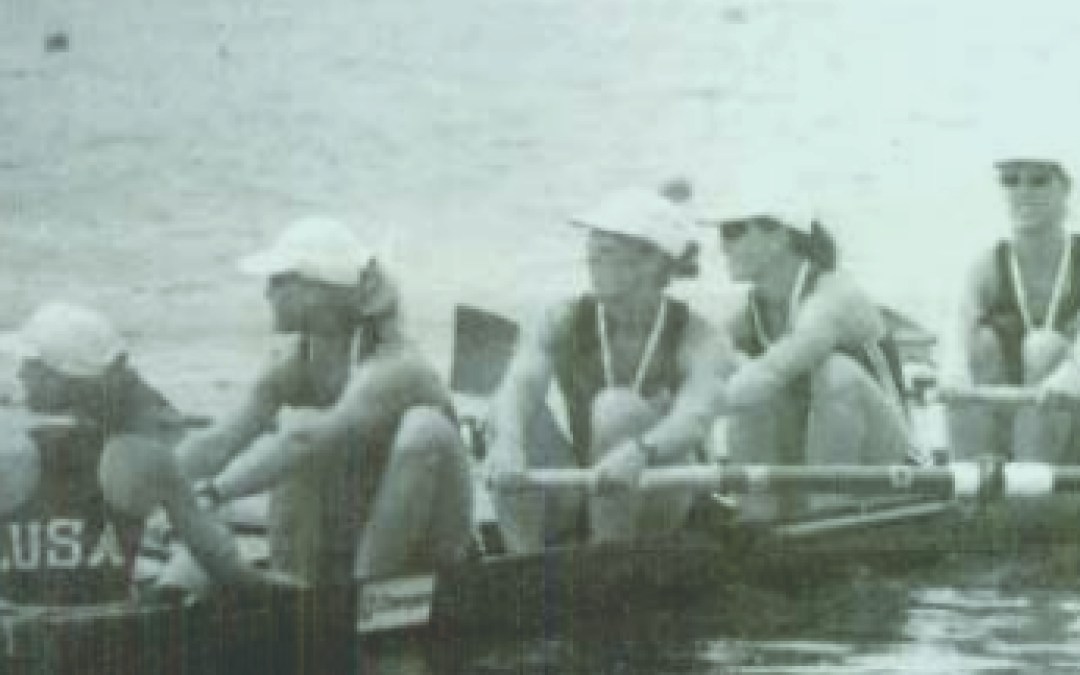
A quarter century ago, the magic of the Olympics lit up Chattanooga, Tennessee like a wildfire. It was common to see Olympic rowers, like Greek gods and goddesses, gliding in their shells along the Tennessee River. For three years, Chattanoogans watched these dynamic rowers transform from college graduates into Olympians.

The 1996 Atlanta Olympic Games brought these rowers to Chattanooga. Scores of them trained at the William C. Raoul Rowing Center from 1994-1996 and many local families opened their homes to support them. These families had a behind-the-scenes look at some of the challenges the athletes faced on their rise toward Olympus. One of those families were the Pattens, who opened their doors to many female rowers.

For the rest of the behind-the-scenes article, go to When the Olympics Came to Chattanooga.

Finishing Strong: Last Words in a Manuscript

Finishing Strong: Last Words in a Manuscript

Hi Writers!

Make the most of Black Friday by putting black ink on your pages!

Hope all of you have a stupendous Thanksgiving and are excited for the final weekend of NaNo.

I reached 50K words the night before Thanksgiving. YAY! I started as NaNo Classic and finished as a Rebel. That’s right, I’m a rebel writer. I missed out on a prep exercise this year due to helping my son get well. That exercise gives me 5K-10K worth of words by the time I’m done. I saved the last 10K of words to do that exercise. Now, I’m ready to revise, add more dimension, depth, character motivation, and twists for the reader. My take away, do what you need to do in order to get you to the next phase of your writing.

Tips for Finishing Strong:

1. Write what you need to write to get you to the next phase of your writing.

2. Write about world building. For example, I wrote all of my world building elements (the last 10K words) and answered key questions that illuminate the world to me. It also helps me with character motivation and seeing how my character moves and navigates her world.

3. Write about your main character’s goals.

4. Make a list of the filler scenes that connect the plot points. Write those scenes.

5. Add transitions to your story.

These are some tips that can help you make your word count and win NaNo.

What are some of your tips that you’re doing or did that have helped you become successful?

You’ve got this! You can do it!!

XO,

Gayvin

Write into Confidence Course: Beta Writers Needed

Write into Confidence Course: Beta Writers Needed

Write into Confidence

Are you a beginner fiction, creative nonfiction, or screenwriter? Are you struggling with confidence?

If you said, “Yes,” this option is for you! Write into Confidence takes people who want to write a story and shows them how to start.

This step-by-step guide helps people apply everyday life into a story and teaches basic storytelling elements.

JOIN BETA COURSE

Beta Writers Needed

Join the Write into Confidence group. People beta testing my new workbook that will accompany my writing course in spring, 2022.

I’m looking for three more writers to test the workbook this November, December, and January for free. (Limited time.)

Please click on “Join Beta Course” button to have access.